
Art Puzzle - Puzzle Games
EasybrainPuzzle
4.842.99K Reviews
- Version
- 5.3.0
- Installs
- 100.00M
- Age Rating
- Everyone
Screenshots

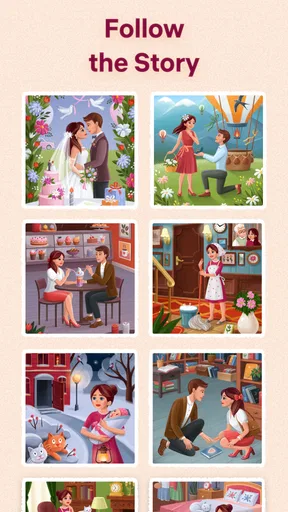

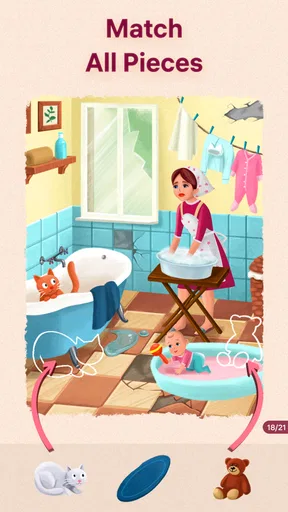
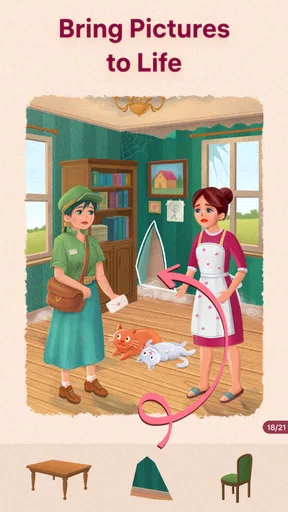
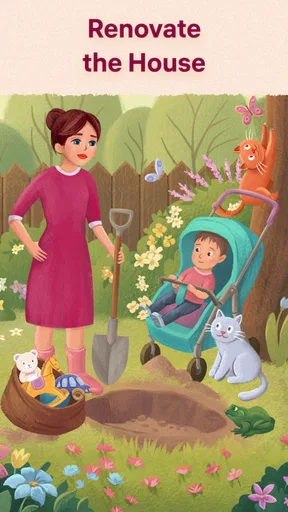
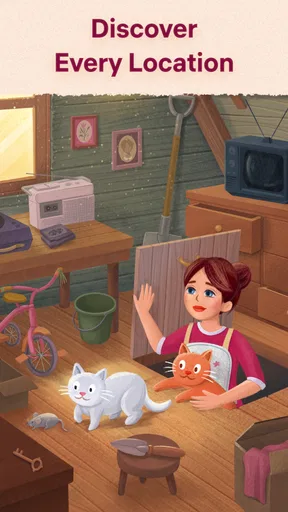

Our Review of Art Puzzle - Puzzle Games
 Analysis by Appyee
I approached Art Puzzle as a short-session puzzle game rather than as a traditional jigsaw replacement. That distinction matters. Instead of spreading a physical puzzle across a table, you work through illustrated scenes on a phone or tablet, placing pieces until the image becomes complete. The idea is simple, but the experience depends on whether you want calm visual problem-solving, a steady stream of small goals, or the deeper control of a conventional jigsaw.
After spending time with it, I found the strongest appeal in its low-pressure rhythm. It is easy to open when I have a few spare minutes, and the visual progress gives each session a clear sense of completion. At the same time, it is not the best choice for everyone. People who enjoy large, highly demanding puzzles, physical pieces, or complete control over the image they build may find it more limited than a dedicated jigsaw app or a real tabletop puzzle.
How I would decide whether Art Puzzle fits
The first question I would ask is what kind of puzzle experience you want. If you are looking for a game that turns artwork into manageable placement challenges, this one makes a strong case. If you want a long project that can occupy an evening, with hundreds of loose pieces and a large workspace, you may prefer a more traditional format. Art Puzzle sits between a casual mobile game and a simplified digital jigsaw.
It comes from Easybrain, a developer known for accessible puzzle experiences, and it is listed as a free game in the puzzle category. The age rating is Everyone, which matches the straightforward presentation and family-friendly nature of the activity. I would still treat the free label realistically: optional purchases are available, ranging from $0.99 to $14.99 per item, so the game is free to start but may invite spending as you continue.
The game is also easy to try on older compatible devices because it supports Android 8.0 and later. That is useful if you want to install it on a spare phone or a family tablet instead of reserving your newest device for casual play. The current version is 5.2.0, so I would make sure the app is updated before judging its performance or presentation.
Its popularity is substantial: it has passed 100 million installs, with an average rating of 4.8 from around 1.9 million ratings. Those figures do not automatically make it right for me or you, but they do suggest that the basic format is easy for a broad audience to understand. The review volume, around 43 thousand reviews, also indicates that it has been used widely enough to establish a recognizable style rather than feeling like an experimental niche title.
The kind of attention it asks from you
Art Puzzle does not demand the same concentration as a difficult logic game. The challenge comes from recognizing shapes, colors, edges, and visual relationships. I found that I could play while relaxing, but I still had to look carefully when several pieces shared similar tones. This makes it suitable for people who want something more engaging than passive scrolling without the pressure of a timer or a competitive leaderboard.
That balance is especially useful during ordinary gaps in the day. I can imagine opening it while waiting for an appointment, taking a short break between tasks, or winding down before bed. A physical jigsaw would be impractical in those moments, while a fast arcade game might be too stimulating. The digital format removes setup and cleanup, which is one of its most practical advantages.
There is also a useful emotional difference between completing a picture and simply clearing a row of tiles. The artwork gives the session a visible destination. When I place the final pieces, I feel that I have finished a small scene rather than merely increased a score. That makes the game a better fit for players motivated by visual completion than for players who need constant novelty or increasingly complex rules.
What makes the picture-based format work
The central appeal is the way the puzzle pieces contribute to an image. I am not solving an abstract grid where every move looks the same. I am looking for the visual logic of a scene: where a line continues, where a color block belongs, or how a shape completes part of an object. That gives the game a gentle discovery element, because the picture becomes clearer as the arrangement improves.
One tip I found helpful is to avoid placing pieces solely by color. Similar shades can appear in several parts of an illustration, especially in backgrounds, clothing, or decorative areas. I had better results when I combined color with contour and neighboring shapes. In other words, a blue piece is not necessarily useful because it is blue; its curve and the direction of the nearby image may be more reliable clues.
Another useful habit is to work from distinctive visual anchors. A sharp corner, a strong outline, or an unusual object can tell me more than a large area of flat color. Once a recognizable section is established, surrounding pieces become easier to judge. This approach reduces random tapping and makes the game feel more like observation than trial and error.
I also recommend treating unfinished sections as information, not as failure. If a group of pieces seems impossible to place, I move to a clearer area and return later. Completing a nearby shape often reveals the boundaries of the difficult section. That workflow is more efficient than repeatedly testing pieces in the same uncertain spot, and it keeps the experience calm.
Where this game wins over ordinary mobile puzzle choices
Compared with match-three games, Art Puzzle is less about speed, chain reactions, and repeated board patterns. I prefer it when I want my attention to settle on one image instead of reacting quickly to changing tiles. There is less emphasis on chasing a high score, so the reward comes from finishing the composition itself.
Compared with word puzzles, it uses visual recognition rather than vocabulary. That makes it a good alternative when I want a break from reading or when language-based challenges feel tiring. It can also be easier to share with a child or another family member who may not enjoy spelling or number puzzles.
Compared with classic digital jigsaws, the experience is more approachable. I do not need to manage a huge pile of pieces or zoom around a large virtual table. The smaller, guided format helps me start immediately. This is where the game is at its most convincing: it gives me the satisfying idea of assembling artwork without demanding the patience and workspace of a full-scale jigsaw.
The strongest reason to choose it is convenience without losing the feeling of visual completion. I can begin quickly, make progress in a short session, and stop without leaving a project spread across the room. For commuters, casual players, and families sharing a device, that convenience may matter more than advanced complexity.
Small-session use and a realistic daily routine
Imagine having ten quiet minutes after lunch. With a physical puzzle, that window would probably be too short to justify setting everything up. With a demanding strategy game, it might take too long to remember where you left off. Here, I can open a picture, identify a few obvious pieces, and make visible progress before returning to work.
In the evening, I would use it differently. I would lower the pace, choose a comfortable position, and focus on the artwork rather than trying to finish as quickly as possible. The game works well as a gentle transition between a busy day and a quieter activity, although anyone who finds screen use distracting before sleep may still prefer a paper puzzle or another offline hobby.
For a child, the simple visual goal can be inviting, but I would not assume that every child will find it equally easy. Some scenes may contain subtle differences that require patience. Playing together can turn those moments into a useful observation exercise: instead of giving the answer, I would ask what line, color, or shape the child thinks should connect next.
Where alternative puzzle formats may fit better
There are clear situations where I would choose something else. If I want a serious long-form challenge, a traditional jigsaw or a more advanced digital jigsaw would probably offer greater control over piece count, layout, and difficulty. Art Puzzle is designed around accessibility, so its streamlined approach may feel too guided for experienced puzzlers who enjoy wrestling with a large, ambiguous image.
If I want measurable improvement in deduction, logic-grid games, Sudoku, or number puzzles may be better. This game exercises visual attention and recognition, but it is not a substitute for every kind of mental challenge. Its difficulty is tied to interpreting artwork, not to building multi-step logical proofs.
If I want social competition, I would also look elsewhere. The appeal here is personal completion rather than comparing performance with other players. That is a benefit when competition feels stressful, but a drawback when leaderboards, timed rounds, or multiplayer interaction are the reason I play games.
There is a further trade-off for people who dislike in-app purchases. Because the game is free and includes purchasable items, I would approach it with a clear personal limit. I would first see how enjoyable the freely available experience feels, then decide whether any optional purchase genuinely improves my use. Anyone who wants a completely purchase-free puzzle routine should consider a paid app or a physical puzzle instead.
Practical ways to get more from each puzzle
I found three habits particularly useful. First, I scan for high-contrast details before touching anything. These pieces usually provide stronger placement clues than broad background areas. Second, I group my attention by visual region rather than jumping across the entire image. That keeps the scene mentally organized and prevents me from forgetting where similar pieces came from.
Third, I use partial completion as a guide. A nearly finished object can reveal the orientation of neighboring pieces, even when those pieces look unhelpful on their own. This is a subtle advantage of the illustrated format: the image itself teaches me how to solve the remaining section. It also means that patience often works better than repeated guessing.
When I am tired, I deliberately stop before frustration builds. Because sessions are easy to resume, there is little value in forcing the final section when my attention has dropped. Returning later with fresh eyes can make a confusing group immediately recognizable. That is a small but important difference from games built around streaks or limited attempts, where stopping can feel like losing momentum.
I would also use a larger screen when possible. A phone is convenient, but a tablet gives the artwork more breathing room and makes small visual distinctions easier to inspect. I would not buy a tablet solely for this game, yet existing tablet owners may find the format more comfortable there, especially during longer sessions.
What the broad audience response tells me
The 4.8 average and more than 100 million installs show that the concept has reached a very large audience. I interpret that as evidence of strong accessibility rather than proof of deep gameplay. A game can be widely appealing because it is easy to understand, relaxing, and visually pleasant, even if it does not satisfy players seeking demanding systems.
That distinction helps set expectations. I would recommend it confidently to someone who wants a friendly art-based pastime. I would be more cautious with a dedicated puzzle enthusiast who measures quality by complexity, replay depth, or precise control over every aspect of the board. The same simplicity that makes the game welcoming can make it feel lightweight to an expert.
The Everyone rating also makes it easier to suggest for mixed-age households, but adults should still explain the purchase side if a child uses the device. Free-to-start games can be confusing for younger players when optional items appear. A shared understanding of what can be selected or bought is more useful than assuming the age rating answers every practical family question.
Considering the cost of switching
Trying Art Puzzle is relatively easy because there is no purchase price to pay at the start. The real switching cost is not money; it is habit. If you are moving from physical jigsaws, you give up the tactile feel, the ability to leave pieces arranged on a table, and the satisfaction of handling a finished object. In return, you gain portability, quick setup, and a much smaller space requirement.
If you are moving from a match-three game, the adjustment is about pace. You may miss rapid feedback and constant score changes, but you may appreciate that the image gives your attention a calmer focus. If you are moving from Sudoku or logic puzzles, you will need to accept that visual intuition matters more than strict deduction.
The optional purchase range, from $0.99 to $14.99 per item, is worth keeping in mind before making the game part of a regular routine. I would not spend immediately. I would play enough to determine whether the artwork and placement style hold my interest without extras. If they do not, paying more will not fix the underlying mismatch.
My recommendation for different players
I recommend Art Puzzle to casual players who enjoy pictures, short sessions, and a gentle sense of progress. It is particularly suitable for someone who wants a puzzle that can be picked up without preparation, or for families looking for an accessible visual activity. The free entry point, Everyone rating, and support for Android 8.0 and later make it straightforward to try on a wide range of compatible devices.
I also recommend it to people who find traditional jigsaws appealing but impractical. The game captures the basic pleasure of matching pieces to an image while removing the need for physical space, sorting trays, and uninterrupted time. That is not a minor convenience; for many people, it is the difference between occasionally thinking about puzzles and actually playing one.
I would skip it if my main goal were advanced difficulty, competition, tactile play, or a completely purchase-free experience. In those cases, a physical jigsaw, a dedicated premium puzzle app, or a logic-focused game would likely be a better match. Art Puzzle is not trying to replace every puzzle category, and judging it by those standards would be unfair.
My final view is positive, with the right expectations. Art Puzzle is best understood as a relaxing, image-led mobile activity that turns small moments into manageable creative progress. It wins through accessibility and convenience, not through elaborate mechanics. After using it, I would keep it installed for quiet breaks and casual play, while reaching for a more demanding alternative when I want a serious puzzle session.
For anyone deciding today, my advice is simple: try it free, pay attention to how much you enjoy the artwork-based placement, and set a spending boundary before optional purchases become part of your routine. If that visual rhythm feels satisfying, this is an easy recommendation. If you need complexity or competition, choose a different puzzle style rather than expecting this one to become something it was never designed to be.
Verdict
Strengths of Art Puzzle - Puzzle Games
- Relaxing gameplay with beautiful artwork to complete
- Simple controls make it easy for all ages to play
- Many artistic puzzles provide plenty of content
- Helpful hints can assist with difficult sections
- Works well for short, casual gaming sessions
Limitations of Art Puzzle - Puzzle Games
- Some puzzles may feel repetitive after extended play
- Hints and extra content may require in-app purchases
- Ads can interrupt gameplay between puzzle sessions
- Limited challenge for players seeking complex puzzles
- Requires patience when assembling detailed artwork
Other Releases by Easybrain
View All
Arrow Puzzle: Tap Puzzle Games
Puzzle4.8

Blockudoku®: Block Puzzle Game
Puzzle4.6

Sudoku.com - Sudoku Puzzle
Puzzle4.7

Jigsaw Puzzles - Puzzle Games
Puzzle4.8
Similar Picks in This Category
View All
Block Blast!
HungryStudio4.8

Braindom: Brain Games Test
Lahana Game Studio4.6

AMAZE!
CrazyLabs LTD4.6

Sudoku - Classic Sudoku Puzzle
Oakever Games4.7

Amaze GO!
Oakever Games4.9
Arrow Puzzle: Tap Puzzle Games
Easybrain4.8
Frequently Asked Questions
What is Art Puzzle - Puzzle Games?
Art Puzzle - Puzzle Games is a relaxing jigsaw-style game centered on illustrated artwork rather than traditional photographs. Each level asks you to place irregularly shaped pieces into the correct positions to complete a picture. The game combines light puzzle solving with a calm visual presentation, making it suitable for short sessions, casual play, and players who enjoy completing artistic scenes at their own pace.
How does the gameplay work in Art Puzzle - Puzzle Games?
Gameplay is based on finding where individual art pieces belong within a partially completed illustration. You can examine the shapes, colors, and surrounding details to identify the correct locations, then tap or drag pieces into place depending on the version and device controls. The puzzles generally become more challenging as you progress, while the artwork and completion animations provide a satisfying sense of progress.
Is Art Puzzle - Puzzle Games free to download and play?
Art Puzzle - Puzzle Games can typically be downloaded for free, but the experience may include advertising, optional in-app purchases, or premium content. Some features, hints, extra lives, or ad-free play may be restricted unless you pay. Before downloading, check the current store listing for pricing, subscription details, and purchase requirements, since these conditions can change with updates or regional availability.
Does Art Puzzle - Puzzle Games require an internet connection?
Some parts of Art Puzzle - Puzzle Games may work without a constant internet connection after the necessary content has been downloaded, which is useful for travel or offline play. However, advertisements, cloud synchronization, new level downloads, rewards, and certain account-related features may require internet access. Availability can differ by device and app version, so offline functionality should not be assumed for every feature.
Is Art Puzzle - Puzzle Games suitable for children and casual players?
The game is generally approachable for casual players because its controls are simple and the puzzles do not usually require advanced gaming experience. Its artistic theme can appeal to children, teenagers, and adults, although parents should review the store age rating, advertising, and in-app purchase settings before allowing younger users to play. Difficulty, hints, and monetization may vary across different levels and updates.
Play our best games!


